
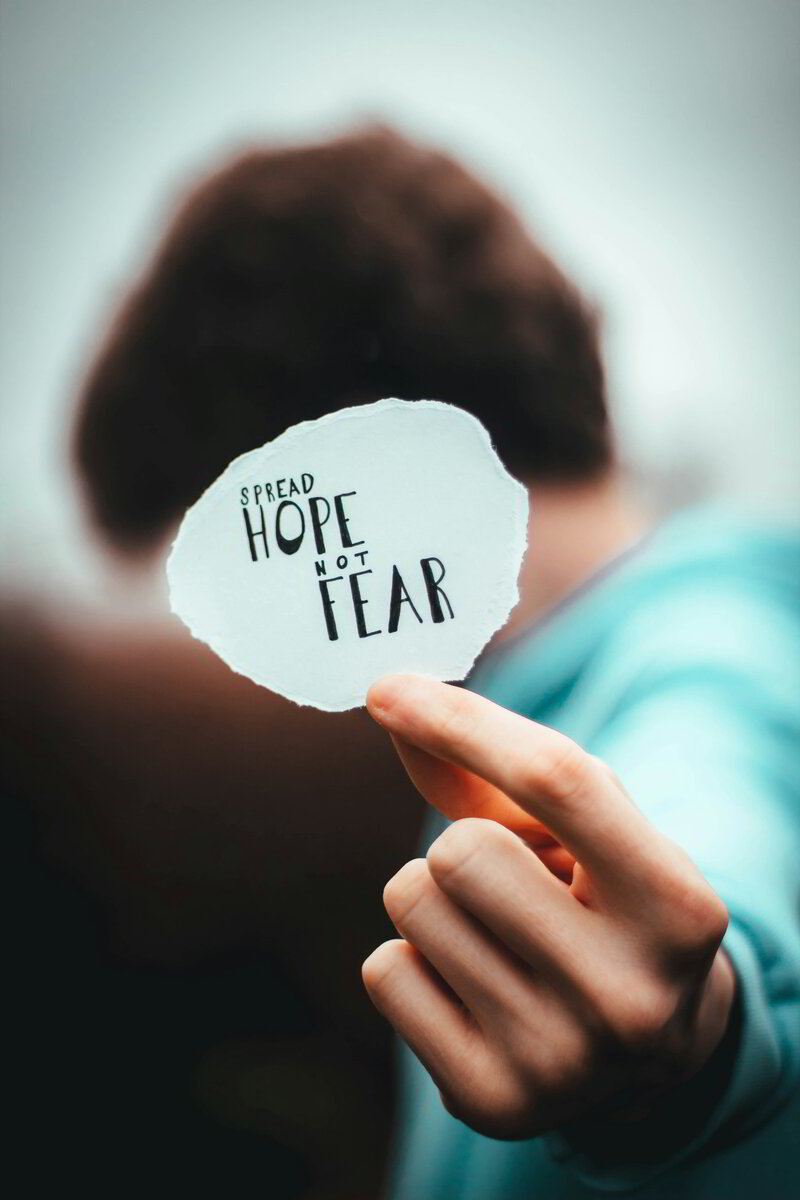
“My son had a problem with alcohol for a while.” Sarah said, looking towards me. I nodded knowingly. “He knew that his drinking was dangerous for him.” Others in our group listened intently as she continued. “He was able to quit. Thank goodness he’s not an alcoholic,” she said. “Oh no, you wouldn’t want that,” another friend chimed in. “Thanks be to God,” replied another.
This encounter was a reminder of a time when hope felt so very distant. While these women know me and know that I write about our family’s experience with addiction, they haven’t felt the effects of living with the stigma of addiction.
I smiled and nodded. While I fully understand that nobody would ever want their child to be an alcoholic because of the devastating nature of the disease, I still felt a bit of a sting listening to their reactions. This current encounter brought back those familiar feelings from a time before I’d found hope.
I remember feeling paralyzed by my fear. I’d tried everything that I could think of to change our situation. I was out of ideas and I could not see a way forward. I felt so desperate. I couldn’t stand the idea of my loved ones being permanently labeled by this disease.
In desperation, I cried out for help. I went to my first 12-step meeting even though I felt scared and ashamed. It was there, in a small basement room of a tiny church, that a roomful of people who had all experienced the same stigma I faced held my hand, wiped my tears, and stood shoulder to shoulder with me. That is when the weight of my problems started to lift and hope began to fill my being.
They shared their situations with great honesty. They didn’t leave out any details or try to justify or blame others. They simply owned their part. They even made fun of the way they behaved while they were trying to fix or control their loved ones.
The word “stigma” is defined as a mark of shame, disgrace or disapproval that sets a person apart. Like the leper who is moved outside the community, people who are stigmatized are isolated. In Greg Boyle’s, book, Barking to the Choir, he gets to the heart of the problem that being stigmatized creates:
“The principle cause of suffering for the leper is not an annoying, smelly, itchy skin disease but rather having to live outside the camp. So, the call is to stand with them, so that the margins get erased and they are welcomed back inside. Jesus doesn’t think twice: he touches the lepers before he gets around to healing them.”
I understood this quote because early in my recovery from the affects of my loved one’s addiction, the opinions of others really mattered. Their reactions might have crippled me. Years later, I realize that everybody faces something. I used to carry the same fear that made my friends want to keep a healthy distance from the problem of addiction. I can relate to those fears.
Let’s remember that the word stigma is the plural form of the word stigmata. A stigmata refers to the wounds of Christ which are carried for us. We all face some kind of stigma whether it be a social stigma like addiction or poverty or a cultural stigma that sees certain behaviors as unacceptable or a historical stigma like race, gender or religion. We all have the experience of being ‘other’ at one time or another. These challenges can’t be faced without hope.
My lived experience of feeling alone and hopeless and then being seen by others as the child of God that I am, gave me the hope that I needed to survive. Bit by bit, as my new 12-step friends continued to stay close to me, more hope was offered until I thrived. That is when I felt called to share what I’d been given.
My friends, hope multiplies. There is an abundance of it. You only need to trust and accept. Then share yourself with someone who can’t see beyond their fear and shame. You can help erase the margins as you share your hope with someone who feels stigmatized.
Going Deeper:
Reflect on the following for a deeper dive into lived hope:
-
Treasured Sorrows: Our Teachers of Hope by Becky Eldredge
-
Elements of Hope by Marina McCoy
-
Three Ways to Make Hope Real by Becky Eldredge
-
Pope Francis’ reflection on being close to those who are stigmatized
Photo by: Dan Edge on Unsplash
Thank you!
We hope you enjoy our Into The Deep Blog! This blog is a free offering to live our mission of accompaniment. If someone forwarded this to you, please be sure to sign up at the bottom of this website page so that you receive an email each week with the new blog. If you appreciate us walking with you in this way, please consider a donation here. $10 a month goes a long way! Learn more and donate here.
Jean Heaton
Jean Heaton is a blogger, writer, speaker, teacher, and a workshop and retreat leader. Both her husband and son are in long-term recovery, and she has worked her own Twelve Step program for those affected by the addictions of others. Jean is the author of “Helping Families Recover from Addiction.” She shares her experience, strength, and hope with others at www.jeanheaton.com.

Comments
Loading comments...
Leave a comment